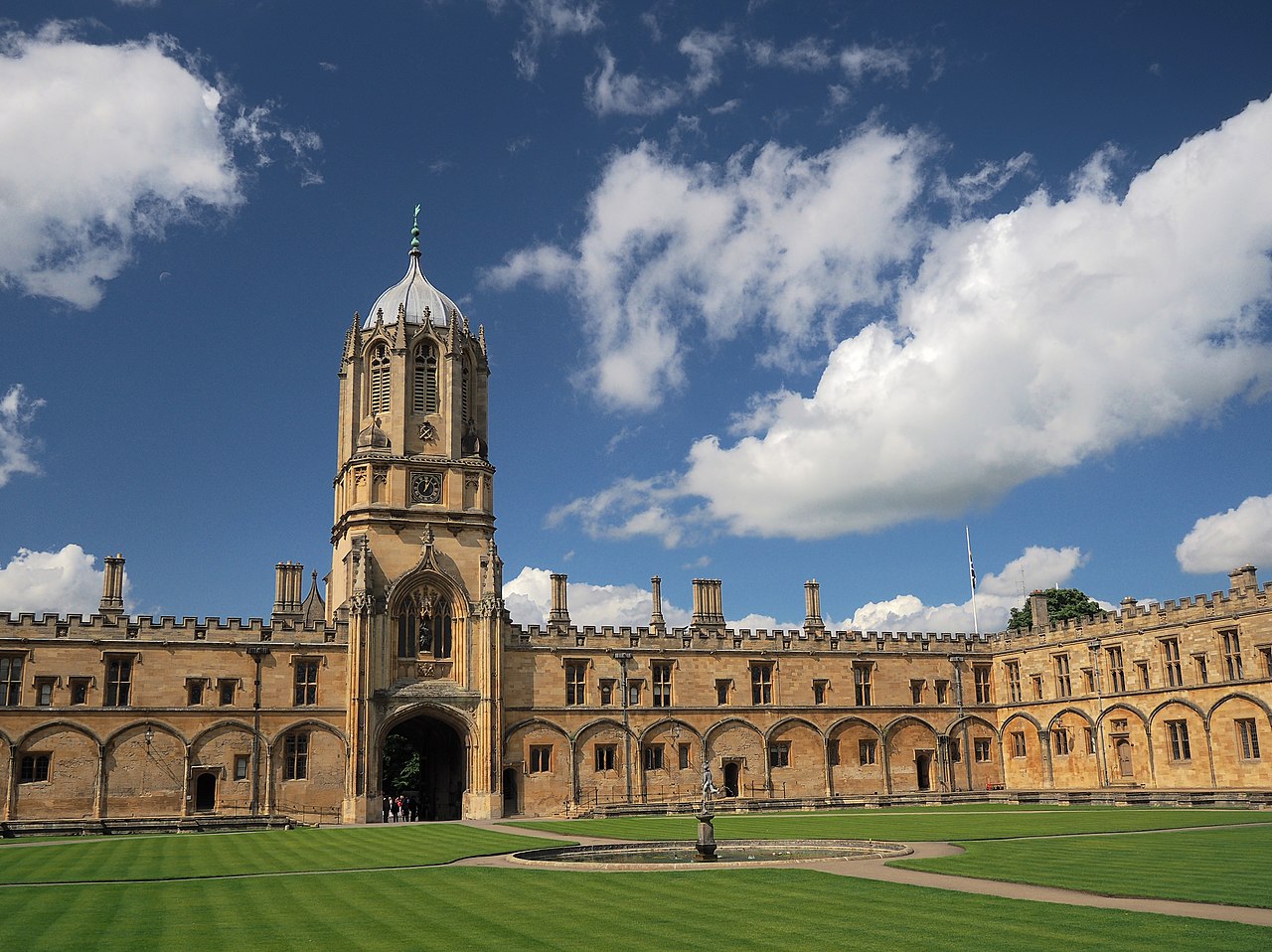
From 1866: Christ Church Kanpur's Role in Shaping Indian Leaders
In the vibrant tapestry of India's educational landscape, few institutions boast a legacy as profound and enduring as Christ Church College, Kanpur. Established in 1866, this venerable institution stands not merely as the oldest higher education college in Kanpur but as a pivotal force in the intellectual and political development of the nation. Over its more than 150-year journey, it has evolved from a foundational mission school into a beacon of academic excellence, consistently producing leaders who have left indelible marks across diverse fields. From the corridors where freedom fighters once walked to the classrooms that nurtured future national security advisors, Christ Church College has played an unparalleled role in shaping the minds and ambitions of India's influential figures.
A Legacy Forged in Time: The Genesis of Christ Church College
The story of Christ Church College, Kanpur, is one of remarkable vision and steady growth. Its roots delve deep into the mid-19th century, tracing back to a 'Free School' founded in 1837. This early initiative, aimed at providing education to local students, was later handed over to the Society for the Propagation of the Gospel (S.P.G.) in 1861. It was Rev. S.D. Burrell, a distinguished Cambridge scholar, who spearheaded the transformation, renaming it Christ Church School. The S.P.G.'s involvement was a game-changer, establishing a robust framework for education primarily targeting Christian and local communities in colonial India.
The vision, however, extended beyond basic schooling. By 1866, the institution achieved full college status, marking a monumental shift. It became a degree-granting college, initially affiliated with the prestigious University of Calcutta. This formal recognition solidified its position as the pioneer of higher education in Kanpur. The commitment to delivering structured, rigorous academic instruction was paramount from these early days, laying a strong foundation for future generations of scholars and leaders. The transition from a modest school to a comprehensive college underscored a dedication to intellectual advancement that would become a hallmark of Christ Church College's identity.
Adapting and Evolving: Affiliations and Academic Standards
A true testament to its resilience and commitment to relevance, Christ Church College has demonstrated a remarkable ability to adapt to the evolving academic landscape of India. Its affiliation history tells a compelling story of an institution that prioritizes academic quality and regional integration. Starting with the University of Calcutta in 1866, it subsequently aligned with the University of Allahabad in 1892, then Agra University in 1927, and finally, in 1966, with Kanpur University (now Chhatrapati Shahu Ji Maharaj University, or CSJM University). These shifts were not mere administrative changes; they represented a strategic response to regional academic developments and a continuous effort to provide students with the most recognized and relevant educational pathways.
This spirit of adaptation is mirrored in its robust governance structure. Managed by the Christ Church College Society under the Church of North India (C.N.I.) Agra Diocese, the college benefits from a managing body chaired by the C.N.I. Bishop of Agra, complemented by prominent educators and clergy. This oversight ensures adherence to rigorous standards and a commitment to its founding principles. Over the decades, notable principals like Rev. G. H. Westcott, Rev. R. G. Slater, and Prof. Ninan Abraham have been instrumental in upholding this legacy of academic excellence, fostering an environment where critical thinking and ethical values flourish. Institutions that endure and thrive for over a century often share this characteristic: a willingness to evolve while staying true to their core mission.
- Insight: For students considering a historic institution, understanding its adaptability is key. A college that has successfully navigated multiple academic affiliations demonstrates a dynamic curriculum and a focus on contemporary educational needs, not just historical prestige.
The Nursery of Nation Builders: Notable Alumni and Their Impact
Perhaps the most defining aspect of Christ Church College, Kanpur, is its unparalleled contribution to developing India's leadership pool. Over its extensive history, the institution has served as a crucible for some of the nation's most influential figures, shaping their intellect and character. The roster of distinguished alumni reads like a who's who of Indian public life, cutting across politics, the military, arts, finance, and public service. This impressive output underscores the college's profound impact on national development.
Among its most celebrated alumni is Motilal Nehru, a towering figure in India's independence movement and the patriarch of a political dynasty. His foundational education at Christ Church College undoubtedly contributed to his astute legal mind and unwavering commitment to nation-building. In more contemporary times, the college boasts alumni such as Ajit Doval, India's esteemed National Security Advisor, whose strategic acumen has been vital to national security. Other notable figures include Rajeev Shukla, a former Union Minister, and Satish Mahana, a prominent Uttar Pradesh Minister. These individuals, among many others, exemplify the diverse fields in which Christ Church College graduates have excelled.
What sets the college apart in this regard is not just the names, but the qualities it seems to instill: critical thinking, resilience, leadership, and a deep sense of civic responsibility. The holistic educational approach, combined with a challenging academic environment, likely fostered the analytical skills and moral compass necessary for these individuals to navigate complex societal and political landscapes. The college’s legacy is truly alive in the continued contributions of its graduates to India's progress, a narrative brilliantly explored in Christ Church College Kanpur: 150 Years of Indian Educational Legacy.
- Practical Tip: Aspiring leaders might consider institutions with a strong alumni network in their desired field. Christ Church College’s history suggests a tradition of fostering public service and leadership, which can provide invaluable mentorship and networking opportunities.
Christ Church College Today: A Beacon of Co-Education and Community
Today, Christ Church College continues its vital mission as a government-aided, minority co-educational institution. Under the dedicated management of the Christ Church College Society, it remains a cornerstone of higher education in Kanpur. The college provides a nurturing and inclusive environment, catering to a diverse student body while upholding its foundational values. This commitment to co-education reflects a modern outlook, ensuring equal opportunities and fostering a balanced academic and social ecosystem.
Situated against Kanpur's unique industrial and historical backdrop, the college actively contributes to the city's academic and cultural heritage. It is a place where tradition meets innovation, preparing students not just with academic knowledge but also with skills relevant to contemporary challenges. Its identity as a minority institution in India holds particular significance, allowing it to maintain specific cultural and educational objectives while serving the broader community. Unlike the famed Christ Church, Oxford, or other institutions globally with similar names, Christ Church College, Kanpur, has carved out its own unique and indispensable narrative in the subcontinent, a distinction worth appreciating, as highlighted in Beyond Oxford: The Story of Christ Church College Kanpur.
For prospective students, this means access to a rich academic tradition, a supportive community, and a diverse range of programs. The blend of historical gravitas with modern pedagogical approaches ensures that graduates are well-equipped for future endeavors, whether in public service, industry, or academia.
- Fact: As a government-aided college, Christ Church College balances its autonomy as a minority institution with public accountability, often resulting in competitive fees and a wide array of support services for students.
Conclusion
From its humble beginnings as a mission school in the 1840s to its current stature as a leading higher education institution, Christ Church College, Kanpur, embodies a remarkable journey of enduring excellence. Its more than 150 years of dedicated service have not only enriched the academic landscape of Uttar Pradesh but have profoundly influenced the trajectory of India itself. Through its unwavering commitment to rigorous education, its adaptability to changing times, and its remarkable ability to cultivate leadership, the college has earned its place as a venerated institution. The legacy of Christ Church College continues to inspire, reminding us of the transformative power of education in shaping individuals, communities, and indeed, a nation.